

The Second-Hand Watch Market: Where Luxury Meets Logic
By Joseph Farodoye, Editor-in-Chief, Bluxe Century Magazine (Read alongside — or listen/watch — the companion Bluxe MagCast episode)
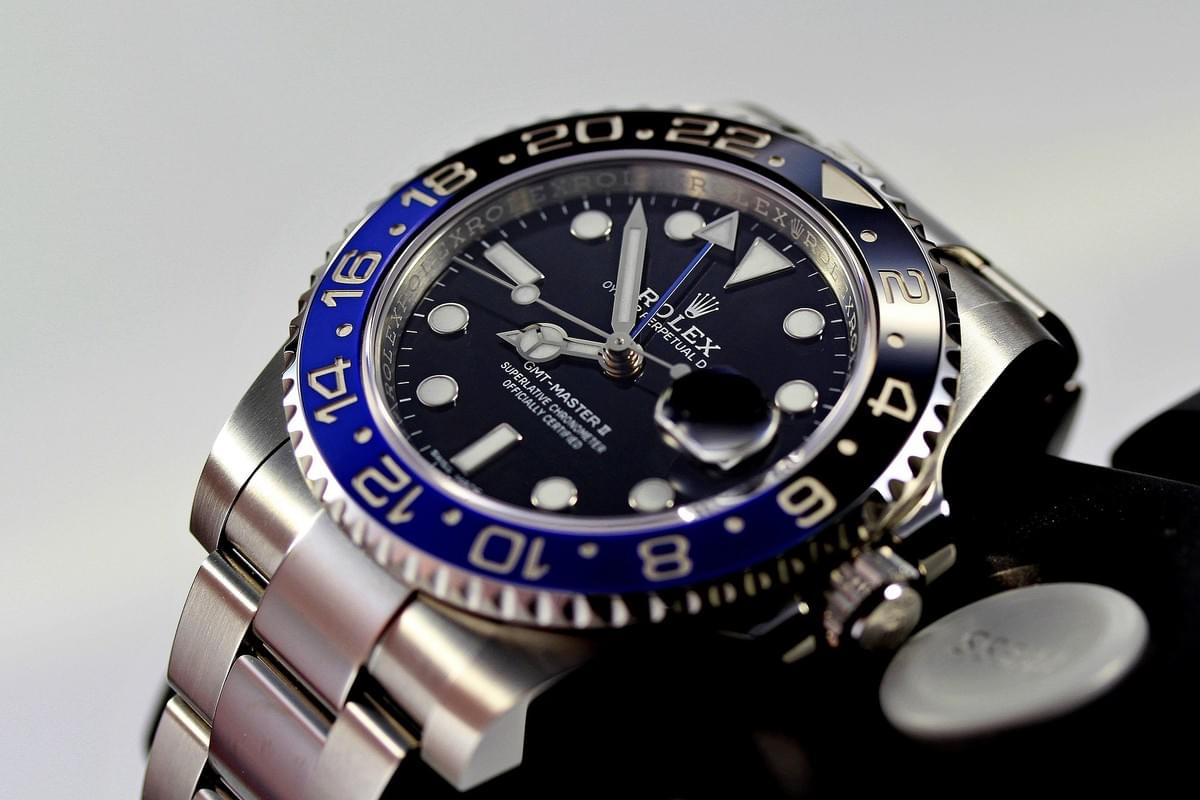
There was a time when luxury watch ownership began and ended at the boutique.
Today, the conversation begins in the market.
Not in the showroom. Not in the allocation queue. But in the spread between retail and real-world pricing.
As Editor-in-Chief of Bluxe Century, I am less interested in hype cycles and more interested in structure. When markets mature, transparency replaces theatre. The second-hand watch market has reached that stage. And the numbers confirm it.
The Statistics Tell the Story
The global pre-owned luxury watch market is estimated at approximately $24 billion, with projections suggesting growth toward $40–45 billion within the decade, representing sustained compound annual growth.
After the 2021–2022 surge — when secondary prices accelerated rapidly — the market experienced a measurable correction. By late 2024 and into 2025:
Secondary market prices began stabilising quarter-on-quarter.
- Transaction volumes normalised.
- Brand performance became model-specific rather than brand-wide.
- Younger buyers increasingly entered the market through resale rather than retail.
- Platforms such as Chrono24 and WatchCharts have made price comparison immediate and global. Transparency has replaced speculation.
(If you prefer this structural breakdown in a concise format, listen or watch MagCast Episode One)
Retail Anchors vs Market Reality
Authorised retailers like Watches of Switzerland and Mappin & Webb continue to define MSRP — the retail ceiling.
But MSRP is no longer valuation. It is positioning. The second-hand market determines where watches clear once emotion is removed. The spread between those two numbers is where the real insight lies.
Brand Names Do Not Behave Uniformly
One of the most persistent misconceptions is that strong brands move as one. They do not. Rolex, Patek Philippe, and Audemars Piguet retain strength in core icon references. But beyond specific models, even these brands normalise in price behaviour.
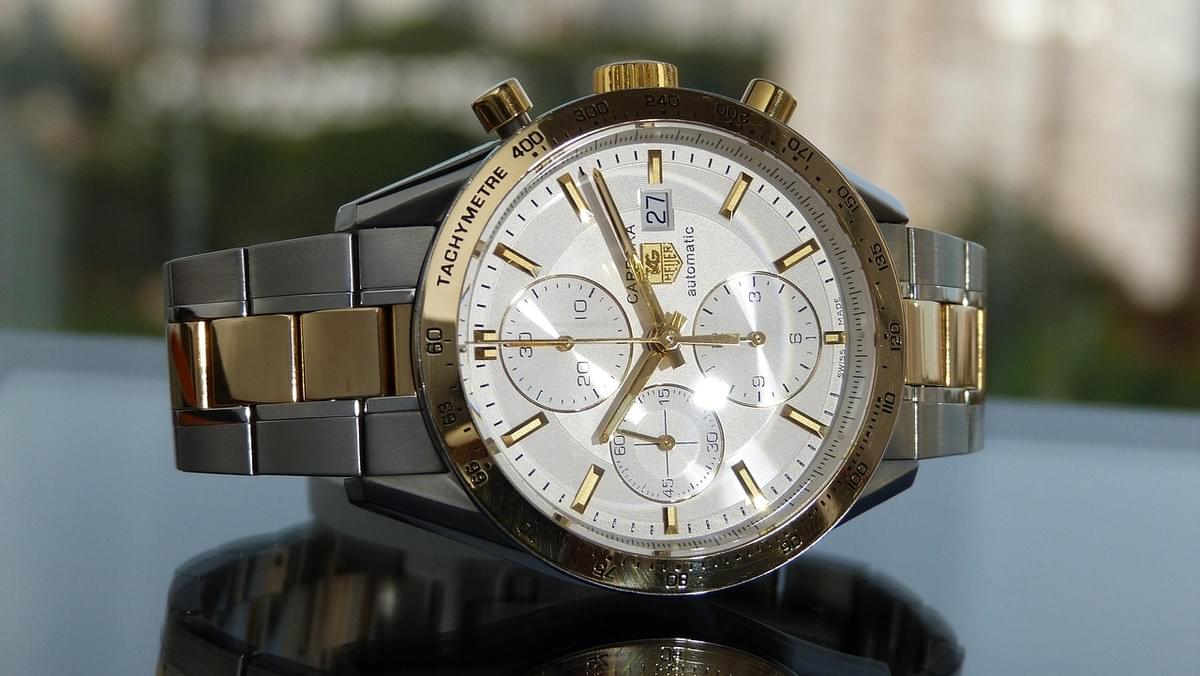
Meanwhile, brands such as Omega, Cartier, IWC, Breitling, Panerai, TAG Heuer, and Hublot often trade significantly below retail — not because they lack craftsmanship, but because the initial retail premium has been absorbed.
(If you want the clean breakdown of how brand myth diverges from model behaviour, listen to MagCast Episode Two.)
A Snapshot from the Bluxe Second-Hand Intelligence Watch Index 2026
Below is a simplified excerpt from our internal tracking framework:
What this shows:
Retail premiums in certain brands are substantial.
- Secondary pricing creates rational entry points.
- Liquidity varies by reference — not brand alone.
- A watch trading 40–60% below retail with consistent turnover is often a calculated acquisition rather than a compromise.
Depreciation as Strategy
Depreciation is frequently misunderstood. When a watch drops 40% below retail, the market is not rejecting the craftsmanship — it is correcting the pricing structure.
For the second buyer, this creates:
- Lower capital exposure
- Reduced downside risk
- Access to high-end mechanical integrity at rational pricing
- The first owner absorbs retail distortion.
The second owner benefits from clarity.
Switzerland Still Sets the Pace
Even without the dominance of traditional Basel exhibition cycles, Swiss production constraints and release timing still ripple through the secondary market. Supply does not expand infinitely.
But sentiment moves faster than manufacturing. Those who understand the lag between release, retail enthusiasm, and secondary correction position themselves calmly. This timing dynamic is covered in the MagCast segment “Timing and Repricing.”
The Bluxe Perspective
Luxury is evolving. Second-hand is no longer secondary. It is informed. Retail remains theatre.
Secondary remains transparent. The intelligent collector today evaluates spread, liquidity, and model-specific behaviour before considering prestige narratives.
That is not cynicism. It is discipline. So think a little longer, travel a little further and go deeper.
This article forms part of the broader Bluxe Century Watch Intelligence Series.
To explore further:
📊 Access the full Bluxe Second-Hand Watch Index Infographic, including:
Top 10 largest depreciation spreads
- Liquidity grading system
- Brand performance tiers
- Retail vs market visual comparisons
The infographic expands this framework visually for immediate clarity. If you want signal without noise, begin there. Luxury today is not about acquiring objects. It is about understanding the market behind them.
—
Joseph Farodoye
Editor-in-Chief
Bluxe Century Magazine